


The area’s geographical diversity, its people, their preferences, and the culture. This blog delves into the taste of Mangalorean fish curry to explore this licious dish in detail.
Situated on the coastline of India, the city of Mangalore houses a variety of flavourful vegetarian and non-vegetarian dishes. One of the gems of the Mangalorean dishes, hoisting the region’s culture is its fish curry. The dish symbolizes the food habits of the Mangaloreans. The spicy taste of the fish curry blended with the richness of coconuts nurtures an iconic flavor, representing Mangalore’s rich culinary heritage. Courtesy of its proximity to the sea, fish is among the staple diets of Mangalore. Thus, this fish curry, a dish cooked regularly in Mangalorean houses symbolizes the community’s connection to the sea and the local ingredients. Usually, Mangaloreans cook this dish with fish like Kingfish, Pomfret, Mackerel, and cod fish.
Over time, different communities in Mangalore have adopted this famous dish by adding their legacy flavors to it. In this blog, we will capture the different variations in Mangalore’s famous fish curry like the Gaud Saraswat Brahmin and Catholic styles. In fact, we also discuss the current fusion created with Mangalorean fish curry.
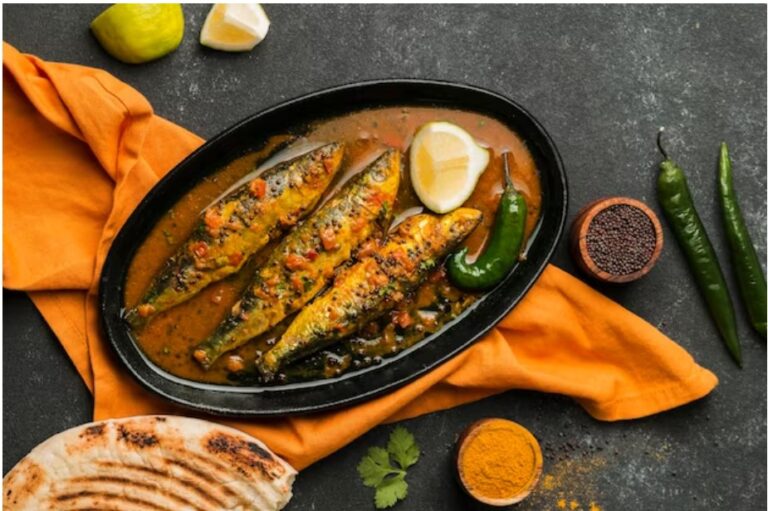
The modern time has seen an increasing fondness for foreign cuisines such as Mexican and Italian. However, times and again, our traditional dishes studded with a blend of rich flavors keep reminding us of our culinary processes. The Mangalore fish curry masala is one such dish. Its flavor is deeply embedded in the culture and life of the people of Mangalore and instantly reminds them of their homes. If you are intrigued by this exquisite dish and wondering how to cook it, keep reading.
Get your pen and paper ready because I am going to spill the recipe for Mangalorean fish curry.
Table of Ingredients
Mangalorean Fish Curry Ingredients | Quantity |
Sliced Kingfish / Codfish/ Mackerel/ Pomfret | 500 gms |
Finely chopped onion | 1 |
Green Chillies, slit | 4 |
Coconut milk | ¾ cup |
Coriander powder | 2 tablespoons |
Red Chili Powder | 1 tablespoon |
Tamarind | 25 grams |
Turmeric Powder | 1 tablespoon |
Curry leaves | Handful |
Salt | To taste |
Oil | as required |
Keep these ingredients handy before you start cooking. Once you have got your ingredients ready, be prepared to start cooking.
Mangalore’s cuisine comprises the remnants of the rich food cultures left behind by the various rulers who sat on the city’s throne. Rich in coconut, a generous sprinkle of local spices, and a handful of curry leaves, this dish has its roots in the ancient coastal communities of Mangalore. The choice of ingredients, especially the spices in this dish reflects Mangalore’s trade connections with the Middle East and its exposure to different cultures.

The coastal city of Mangalore houses a culturally diverse population. It has around 22 different Kokani communities residing in Mangalore. Some of these include Gaud Saraswat Brahmins, Mangalorean Catholics, Daivadnyas, Kudumbi, Kharvi, Gudigar, and Navayats. Each of these communities has some uniqueness that distinguishes them from each other. Interestingly, over time these communities have adopted the traditional Mangalorean dishes and customized them adding their signature ingredients and flavors. For example, the Mangalore fish curry recipe has gone through several alterations while being adopted by different communities.
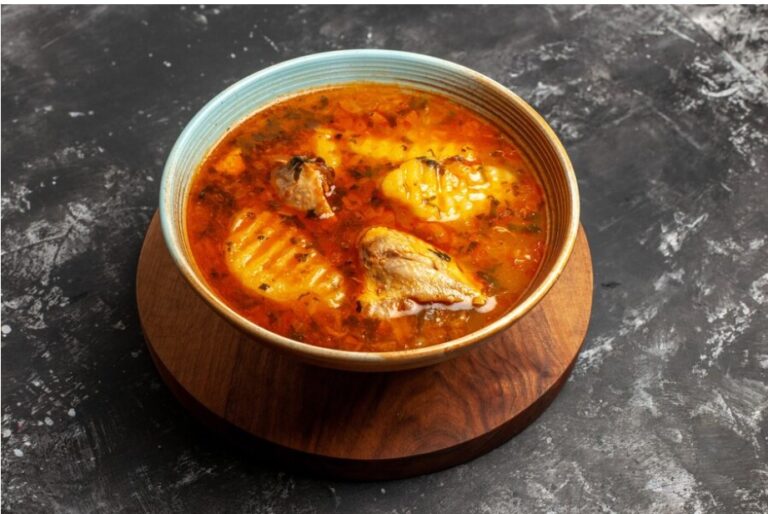
The cuisine of each area is unique from the others. It is ensconced in flavors iconic in the region. The flavors are influenced by factors like the area’s climate, geography, culture, and availability of food ingredients. For example, coastal cuisines are usually spicy and make use of coconut and curry leaves.
The Indian coastline stretches along the Arabian Sea to the west, the Indian Ocean to the South, and the Bay of Bengal to the east. The cuisines in the coastal areas of India are different from the rest of the country. This is basically due to the ingredients used and the way of preparation. In the majority of coastal dishes, fishes are the key ingredient. Also, coconut has a great influence on coastal cuisine. Coconut milk, grated coconut, and coconut oil are important ingredients in stews, curries, and other coastal dishes. Most coastal dishes are tangy and have a bold flavor. The dishes use a combination of aromatic spices clubbed with souring agents like tamarind and kokum.
Since the dawn of evolution, people have efficiently incorporated the abundantly found local ingredients into their cuisines. These impact the nature and flavor of the dishes cooked. Being close to the sea, coastal areas witness an abundance of seafood and fish. Hence, people dwelling on the coasts cook a variety of dishes using different types of fish ranging from pomfret to mackerel. They also incorporate any type of vegetable, spices, and fruits abundantly found in the region. Coconut trees are abundant in the coastal areas. Hence, ingredients like coconut oil and coconut milk are generously used in coastal regions, especially the western and southern areas. For example, Mangalorean fish curry with coconut is a popular traditional delicacy of Mangalore savored by locals and tourists.
Coastal cuisines are undoubtedly delicious. The confluence of local ingredients, seafood, cultural influences, and unique culinary techniques creates a unique flavor. Mostly cooked with a variety of fish, seafood is generally salty. To build on this, the sweetness of coconut and local fruits blend with local spices and herbs like cardamom, cumin, turmeric, coriander, cilantro, mint, and curry leaves to add a unique flavor. If you have explored coastal foods then you know tanginess is a common flavor in these dishes. Ingredients like tamarind, kokum, and citrus fruits add a whole new dimension to the coastal cuisine. Mangalorean fish curry is an iconic coastal cuisine that combines an array of flavors deliciously into one dish.
The cuisines of inland areas are starkly different from the coastal ones. In this segment, we will explore a little about inland cuisines as well.
The dishes cooked inland are known for their vibrant and robust flavors. These dishes are cooked using abundantly available and locally grown ingredients like grains, vegetables, and meat. The spices and herbs used for seasoning are also sourced locally. Inland dishes are wholesome and rich in nutrients.
The geographical features, climate, and ingredients are factors that create a substantial contrast between coastal and inland dishes. Take the Mangalorean fish masala for example. Its taste will differ significantly from the fish curry prepared in Eastern India. Let us dig into these contrasts in detail.
The different communities in Mangalore have modified the famous Mangalorean fish curry to add some special ingredients. The dish is cooked in the legacy techniques of these communities to reflect their signature flavor. In the segments below we will speak about the three different styles in which this traditional dish can be cooked.
The Indian states of Karnataka and Goa are home to the Goud Saraswat Brahmins (GSBs). Living in the coastal regions their cuisines are influenced by the geographical location and local ingredients. The Mangalorean fish masala prepared by the GSBs is popular for its bold taste.
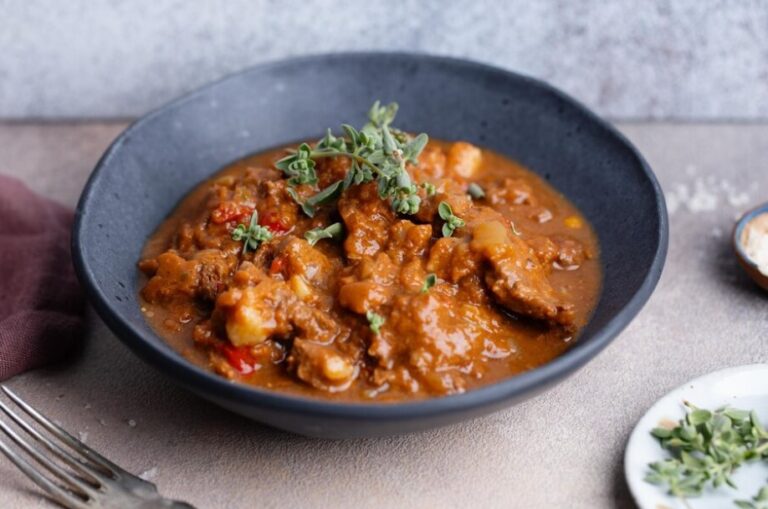
In the previous segments I have shared the authentic Mangalore fish curry recipe. However, the GSBs cook it a little differently. Let us look at the different Mangalore fish curry ingredients used by the GSBs.
Ingredients | Quantity |
Fish (pomfret, kingfish, or snapper) | 500 gms |
A small lemon-sized ball of tamarind, soaked in water. | |
Dried red chilies | 6-8 |
Coriander Seeds | 1 tablespoon |
Turmeric powder | ½ teaspoon |
Mustard seeds | ½ teaspoon |
Fenugreek seeds | ½ teaspoon |
Cumin seeds | ½ teaspoon |
Onion, finely chopped | 1 |
Garlic | 6-8 cloves |
Green chillis, slit | 2-3 |
Curry leaves | A handful |
Oil | 2-3 tablespoons |
Salt | To taste |
Water | As you need |
Coconut, grated | ¾ cup |
Note the recipe for GSB style Mangalorean fish curry:
Steps | Process |
Preparing the tamarind extract | ● Soak the tamarind in warm water for about 15 mins. ● Extract the tamarind juice |
Masala Paste preparation |
● Roast the spices, red chilies, coriander seeds, cumin seeds, and fenugreek seeds along with Kashmiri red chilies ● Grind the roasted spices, grated coconut, and garlic. ginger and add a little water to prepare a paste |
Preparing the fish curry |
● Heat the oil in a pan and add mustard seeds. ● Add the chopped onions and curry leaves and saute them until they turn golden brown ● Add the ground masala paste and saute a little. ● Pour the tamarind mixture and boil |
Adding the fish |
● Add the marinated fish to the boiling curry ● Add salt and turmeric ● Stir everything ● Cover the pan with a dish and let the fish cook thoroughly for 10 to 15 minutes |
Plate the dish |
● Check if any seasoning is needed to be added ● Garnish with coriander leaves
|
The GSBs follow some traditional serving practices that represent their culture and community traditions. Before serving the food, the Brahmins pray to their deities, offer food to them, and seek their blessings. The food is usually served on banana leaves which is believed to enhance its taste. The GSB’s follow a unique serving sequence that begins with serving rice (which is the staple food) first. Side dishes like curries, vegetables, and lentils are served alongside rice. Usually, the family members dine together and share from a common plate.
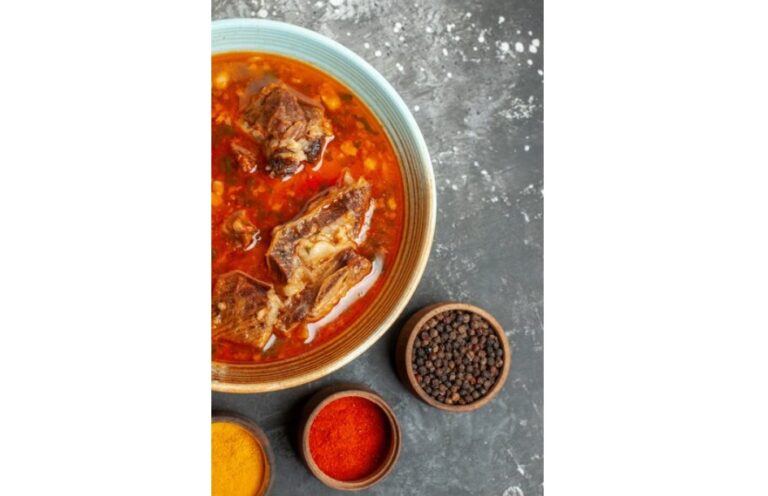
The Catholic community of Mangalore are descendants of an Indo-Aryan group that migrated to Konkan and Goa. Their rich cuisine hosts an array of dishes oozing with exquisite flavors. The Catholics of Mangalore have recreated many traditional delicacies of the region, making minute variations in them.
In the previous sessions we studied two variations of the Mangalore fish curry. In this segment, we explore how the Catholics cook it. Like the other versions of the curry, coconut is one of the chief ingredients. The process of cooking the dish is similar to the ones we have discussed previously. However, a key difference in the Catholic variation of curry is the use of raw green mangoes in place of tamarind. The mango is peeled, washed, sliced, and added to the curry. This Mangalorean fish curry with raw mango is great in taste and can be easily cooked.
Here is the list of ingredients and recipe for Catholic-style fish curry.
Ingredients | Quantity |
Kingfish | 600 gms |
Thick coconut milk | 1 cup |
Green chilis, slit | 2 |
Raw green mangoes | 2 (medium-sized) |
Onion, sliced | 1 |
Oil | 2 tablespoon |
Salt | To taste |
Curry leaves | Handful |
Coconut, grated | ¾ cups |
Red Kashmiri Chillis, dried | 8 |
Corriander seeds | 1 tablespoon |
Cumin seeds | 1 teaspoon |
Whole black peppercorns | 10 |
Garlic cloves | 4 |
Onion | 1 |
Culture and religion influence Catholic cuisine in India and around the world. Catholics have recipes tailored for each season. Specific recipes are reserved for special celebrations of the Catholics. For example, special breads and pastries are prepared during communion services and religious holidays. Catholics also have some legacy recipes that are exclusively cooked during family gatherings, holidays, and special events.
The two most prominent styles of South Indian cuisine are Mangalorean and Udupi. Although both these dishes use coconut as a predominant ingredient they are different in many ways. For example, Mangalorean cuisine is mostly non-vegetarian incorporating seafood like fish and prawn. On the other hand, Udupian dishes are mostly vegetarian.
As we mentioned earlier, Udupian cuisine is mostly vegetarian. In fact, most of these dishes do not even use onion or garlic. Coconut, lentils, and vegetables are some of the key ingredients there. Udupi introduces vegetarian dishes like Masala Dosa, Idli, and Vada to Mangalorean cuisine. This adds a variation in the latter. The Udupian spices and cooking techniques incorporated in Mangalorean delicacies will create a fusion of flavors from both cuisines.
The Udupian dishes comprise a rich collection of completely vegetarian dishes. Coconut, lentils, fresh vegetables, and local ingredients are generously used in these dishes. From curries to rasams, to sweet dishes, the Udupian cuisine has it all. The vibrant and flavorful dishes are savoured by both vegetarians and non-vegetarians.
Each family has its traditions. These traditions are imprints of past events, preferences, and evergreen beliefs in a family. Surprisingly, a family’s tradition impacts its cooking as well. The meals portray the family’s unique cooking techniques, choice of ingredients, and flavor preferences. These recipes pass from one generation to another preserving in them the tradition and culture of the family. In modern times you will often see nuclear families being from traditional joint families. However, what remains unchanged in their kitchen is these traditional recipes where the essence of the older generations lives to this day.
In this blog, we are discussing the famous Mangalorean fish curry. In Mangalore, this dish is an integral part of every non-vegetarian household. Do you think each family cooks it the same way, though? Well, no. Some families like to make it a little spicy while some others might like their gravy to be extra tangy. Depending upon their preference every family alters the fish curry recipe to suit their taste buds. They can also incorporate some variations depending on their origins. New techniques and additional spices add personalization to this traditional dish.
Every dish has a story behind it. While some dishes were designed to make use of the ingredients abundantly available locally some others were prepared for convenience. Interestingly, there are many dishes loved by us Indians, that originated in a different country. You will often find that each family prepares some dishes exclusive to itself. There are usually stories leading up to their creation. Mangalore fish curry masala was probably popularized owing to the abundance of fish in the coastal region. The ingredients used in its preparation like coconut are generously used in this dish.
The family kitchen is the birthplace of recipes. It is also the place where the elder generations pass down legacy recipes to the newer generations. The mothers and grandmothers of every family sit with their younger generation in the family kitchens teaching them to cook traditional dishes. The kitchen walls are testimony to the secret ingredients, unique cooking styles, and special hacks passed from the older to younger generations. To an outsider, these special hacks and spices might seem insignificant but they are the key to preserving a family’s culinary heritage. These little additions add a touch of personalization to the traditional dishes of the family.
The young generation is exploring new cuisines. Their love for both traditional and modern flavors is giving birth to modern adaptations of traditional dishes. For example, their love for cheese (a dairy product generously used in Italian and American dishes) is motivating Indian chefs to introduce it in traditional dishes like Dosa. Apart from infusing new flavors into conventional dishes, modifications are also made to make the dishes healthy.
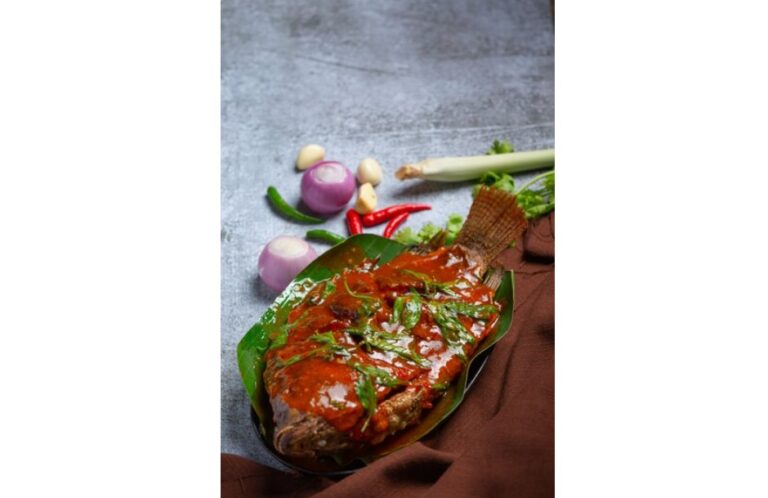
The Mangalorean fish curry is a key dish in Mangalorean cuisine. Its deliciousness has led people from different cultures to adopt it. They have created fusions adding the iconic flavors from their cuisine to the authentic fish curry of Mangalore. For example, often elements from Southeast Asian cuisine are added to the curry. Lemongrass is used in place of curry leaves in some versions of the fish curry. Also, the souring agents keep changing. Most people prefer using tamarind while others use green mangoes. The type of fish used also varies depending on the region.
With time we are becoming more health-conscious. Not only do we watch what we eat but we also modify traditional recipes by adding healthy substitutions while trying to preserve the original flavors. To create a healthier version of Mangalorean fish fry, many households and restaurants cook the dish in olive oil. Calorie-conscious people substitute coconut milk with coconut cream, which reduces the fat content of the dish. To increase the nutritional value of the dish you can add spinach or kale to it. These additions and alterations are healthy and maintain the true flavor of the dish.
The new generation loves experimenting with recipes. They do it to add a new flavor to the existing recipes. Nowadays, any Mangalore fish curry restaurant is adding a lot of twists to this traditional dish to infuse newness into the old flavors. For example, adding herbs like basil and cilantro adds a touch of freshness to this spicy dish. To tickle the taste buds usually, a tinge of sourness is introduced in the dish. Although traditionally tamarind or raw mango are used, many chefs add lemon juice instead.
angalorean fish curry is one of the finest dishes in Mangalore’s cuisine. Over the years, it has undergone several variations. For example, the Gaud Saraswati Brahmins cook it in a slightly different way than the Catholics. Apart from having community-specific variations, this dish has undergone some family-specific and generation-specific modifications too. The best part about recipes is that you are free to experiment with them. Add ingredients you like or cook them in a special way. Customize it in any way you want.
Wait, are you typing “Mangalore fish curry near me” after reading this blog?
Well, such is the magic of our traditional delicacies. It does not matter how many new dishes you try, you will always come back home to their lip-smacking flavors and intoxicating aroma.
© Copyright 2023 by M Cafe. Engineered @ OneCity</a


Leave a Reply